The AllDomainSoft Blog
Practical insights on IT staffing, remote team management, technology trends, and cost optimisation for growing businesses. Articles written by our hiring and engineering team in Gurgaon, with lessons drawn from a decade of building offsite teams for startups, SMEs, and enterprises.
GPT-6 Astra: What OpenAI's Latest Flagship Model Means for Engineering Teams
OpenAI's GPT-6 Astra is its newest flagship model. Here's what changed since GPT-5.x, how it connects to ChatGPT's agent tooling, and what it means for teams hiring AI engineers.
Claude Fable 5.1 and Mythos 5.1: Anthropic's Newest Models for Coding and Research
Anthropic's newest models, Claude Fable 5.1 and Claude Mythos 5.1, target coding and knowledge work. Here's what's new since Claude Opus 5 and what it means for engineering teams.

AI in Biotech 2026: How Drug Discovery Got Faster
AI in biotech has moved from experimental tooling to a core R&D capability in 2026. Deal activity, AI-designed molecules in human trials, and what it means for biotech hiring.
AI in Agriculture 2026: Precision Farming Goes Mainstream
AI-powered precision farming is reshaping agriculture in 2026 — yield gains, lower input costs, satellite-trained models, and what it means for agtech hiring.

AI in the Chemical Industry 2026: Materials Discovery at Machine Speed
AI-accelerated materials discovery is reshaping the chemical industry in 2026 — autonomous labs, generative models for new materials, and what it means for hiring.
How to Get Onshore Developers Fast: A 2-Week Hiring Playbook
How to hire onshore developers fast without cutting corners: a day-by-day 2-week playbook covering sourcing, screening, interviews, and offer in your own country.
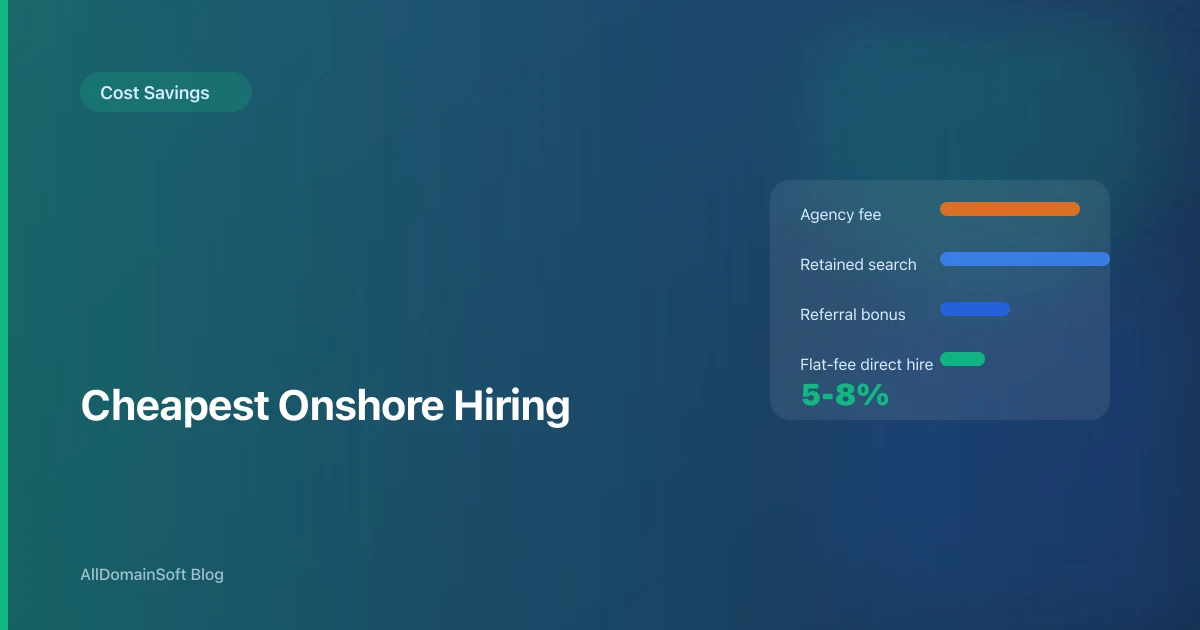
The Cheapest Way to Hire Onshore Developers (Without Sacrificing Quality)
The cheapest way to hire onshore developers compared: contingency agencies, retained search, in-house recruiters, and flat-fee direct hire — with real cost numbers.
Employee Referral vs Recruitment Agency for Onshore Developers
Employee referral bonuses vs recruitment agency fees for onshore developer hiring compared, including where a flat-fee direct-hire model fits in between.
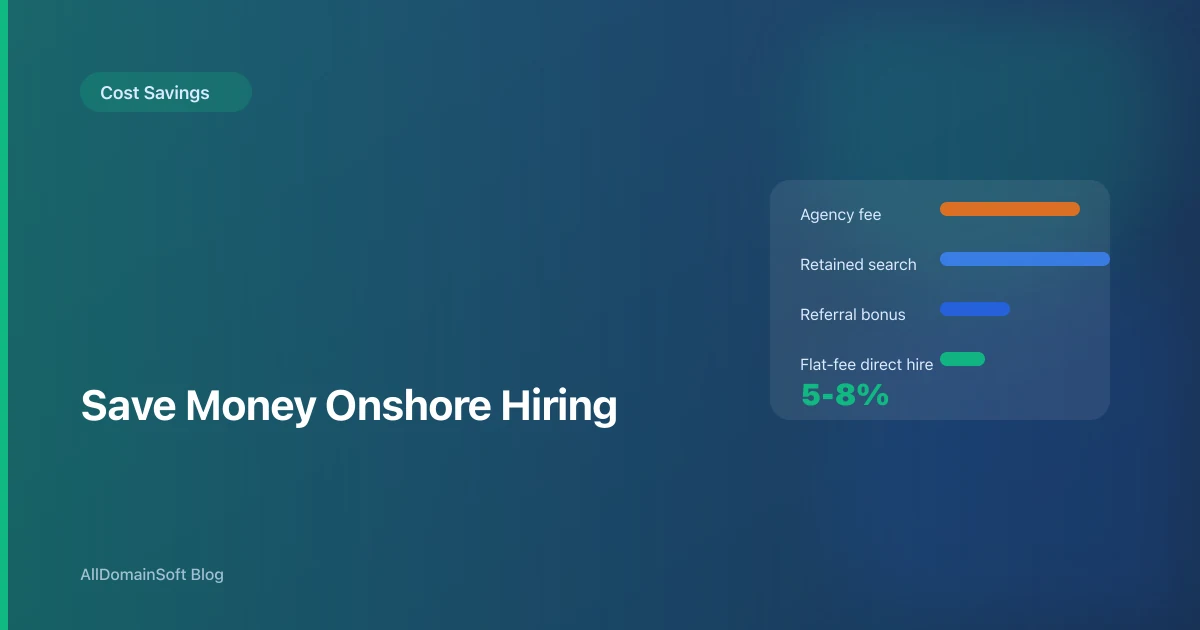
How to Save Money Hiring Onshore Developers in 2026
Practical ways to cut the real cost of onshore developer hiring in 2026: avoiding double markups, reducing vacancy cost, and using a flat-fee model with a replacement guarantee.
Onshore Developer Recruitment Fees Explained: What's a Fair Percentage?
Onshore developer recruitment fees explained: contingency, retained search, RPO, and flat-fee direct hire compared, with what a fair percentage looks like in 2026.
How to Hire Onshore Developers: A Practical Guide
How to hire onshore developers the right way: where to source candidates, realistic salary bands, interview process, and when onshore beats offshore or nearshore.
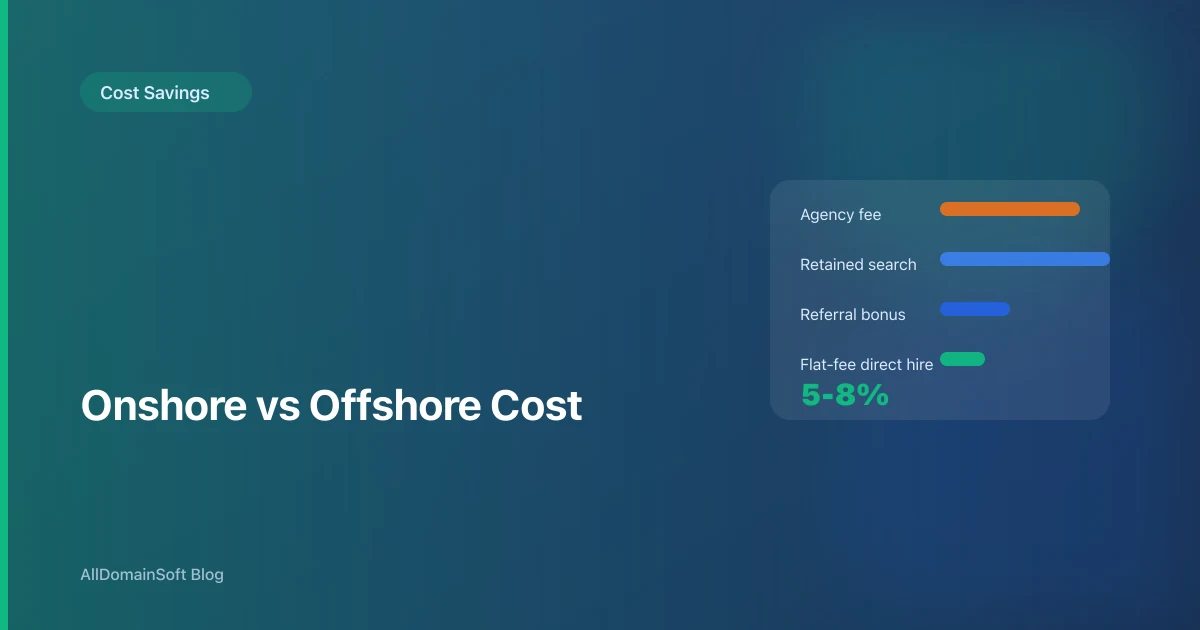
Onshore vs Offshore Developers: Benefits, Costs, and How to Choose
Onshore vs offshore developers compared side by side: cost, timezone overlap, communication, hiring speed, IP protection, and a simple framework to choose the right model.
Benefits of Onshore Development Teams (And When They're Worth the Cost)
The real benefits of onshore development teams: timezone overlap, regulatory fit, client-facing trust, and the specific situations where paying more for onshore actually pays off.
Onshore, Offshore, or Nearshore? Choosing the Right Model for Your Team
Onshore vs offshore vs nearshore development explained with a decision framework covering cost, timezone overlap, hiring speed, and the role types that fit each model best.
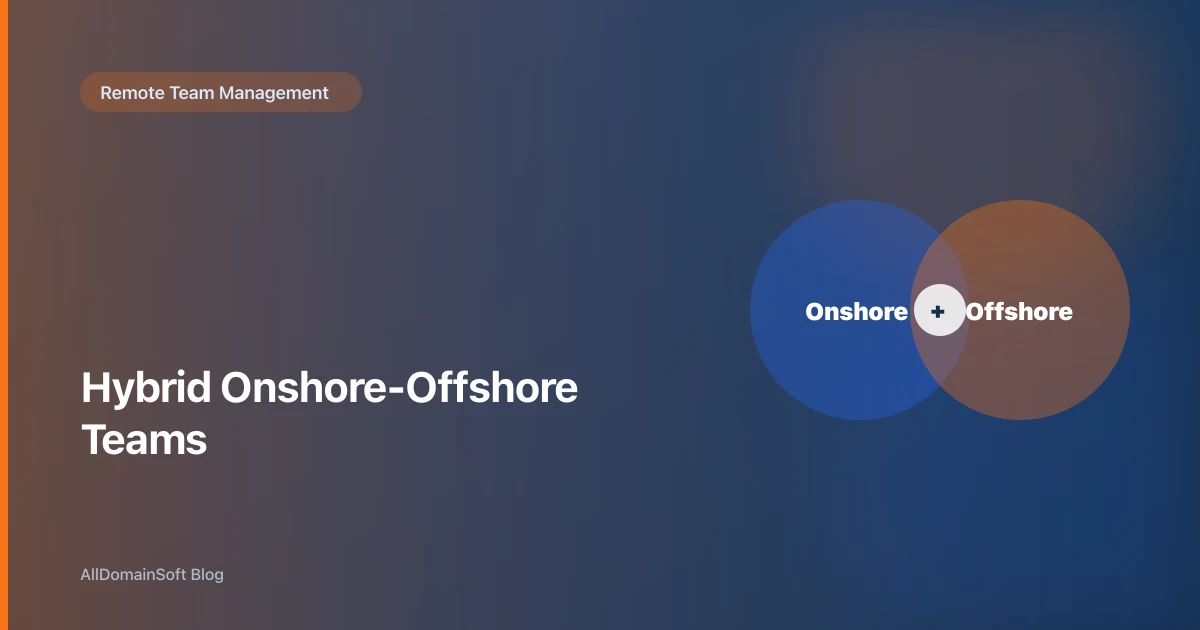
Hybrid Onshore-Offshore Teams: How to Structure a Blended Model
How to structure a hybrid onshore-offshore development team: role split, communication rhythm, ownership boundaries, and common mistakes that create a two-tier culture.
Multimodal AI at Scale: Why Images, Video, and Audio Tokens Are About to Get Much Cheaper
As frontier models get better at processing images, video, and audio directly, the token costs for multimodal input are dropping faster than most teams expect. Here's what that means for your product roadmap.
Open-Weight AI Models Just Passed a Quiet Threshold. Closed Models Should Be Nervous.
For years, open-weight models lagged behind proprietary ones. That gap is closing in specific domains, and it's changing how enterprises should think about their AI infrastructure decisions.
Why Your AI Safety Review Process Is Probably Weaker Than You Think
Most companies check whether their AI features 'seem safe,' but they don't test the things that actually break in production. Here's what a real safety review actually looks like.
The Inference Speed Race: How Cheaper, Faster Models Are Beating Expensive Ones on Latency
Smaller, optimized models are now outrunning expensive frontier models on inference speed. For real-time applications, that changes everything about your model selection strategy.
Fine-Tuning Is Dead. Long Live Prompt Stacks and In-Context Learning.
Custom fine-tuned models used to be the way to specialize an AI system. Now, better base models and smarter prompt engineering make fine-tuning obsolete for most problems.
AI in Regulatory Compliance: Why Models Are Starting to Out-Audit Humans
Regulatory compliance is becoming an unexpected frontier where AI systems are doing better than human auditors at the exact task of compliance checking. Here's why that's happening and what it means.
Edge AI Is Cheap Now. This Changes Where Your ML Inference Should Actually Run.
Hardware optimizations and better model compression have made edge AI inference so cheap and fast that cloud-based APIs are no longer the default for many tasks.
How AI Coding Agents Are Breaking Your Code Review Process (And How to Fix It)
AI agents can now write working code in minutes, but code review processes haven't caught up. Here's what breaks and how to adapt your review workflow.
AI Coding Agents and Technical Debt: Why 'It Works' Is Only Half the Battle
AI agents can solve problems fast, but they're creating technical debt at unprecedented rates. Here's what actually happens when you optimize for shipping speed.
The AI Talent Crunch: Why Your Company Probably Can't Hire Who It Thinks It Needs
Everyone wants to hire 'AI engineers,' but what they actually need and what exists in the job market are wildly misaligned. Here's what to actually look for.

How to Find Office Space in India: A Step-by-Step Guide for Foreign Companies
A practical, step-by-step framework for finding office space in India as a foreign company: budget ranges, city and micro-market selection, facilities checklist, and how to avoid the mistakes that cost first-time entrants the most.

Office Space Rental Costs in India by City (2026): What You'll Actually Pay
A realistic breakdown of Grade A office rental ranges across Gurgaon, Bangalore, Pune, Hyderabad, and Noida in 2026, plus the hidden costs — deposits, CAM charges, and fit-out — that change the real number.

The Office Facilities Checklist to Demand Before Signing Space in India
The exact facilities checklist foreign companies should walk through before signing office space in India — power backup, internet redundancy, security, compliance, and the amenities that actually affect retention.

Managed Office Space vs. Traditional Lease in India: Which Should You Start With?
Managed office space or a traditional lease for your first India office? A practical comparison of speed, cost structure, risk, and when each model actually makes sense.

Gurgaon vs Bangalore vs Pune: Which Micro-Market Should You Pick for Your India Office?
Choosing between Gurgaon, Bangalore, and Pune for your India office comes down to talent pool, connectivity, and cost — a practical, area-by-area comparison for foreign companies picking their first location.
How to Onboard Offshore Developers in Their First 30 Days
A structured 30-day onboarding plan for offshore developers covering access setup, codebase ramp-up, first tickets, and early feedback loops.
Hire Dedicated .NET Developers in India: Skills, Interviews, and Cost
A practical hiring guide for dedicated .NET developers in India covering must-have skills, interview structure, architecture patterns, and cost benchmarks.
Code Review Standards for Distributed Teams That Actually Scale
A practical code review framework for distributed engineering teams, covering review SLAs, checklist design, and how to avoid rubber-stamp approvals.
AI Evals 101: How to Build a Test Suite for LLM Features
A beginner-friendly guide to building evaluation suites for LLM-powered features, covering test case design, scoring, and regression gates.
Hiring Node.js Developers in 2026: What to Test Beyond Syntax
A practical Node.js hiring guide for 2026 covering event loop understanding, API design, testing discipline, and a sensible interview loop.
Dedicated Team Pricing Models Explained: Retainer vs Hourly vs Fixed
A clear breakdown of dedicated team pricing models — monthly retainer, hourly billing, and fixed price — with guidance on which fits which project type.
How to Write a Technical Job Spec That Attracts Senior Offshore Developers
A practical guide to writing technical job specs that filter for senior offshore developers, including scope, must-haves, and red flags to avoid.
RAG vs Fine-Tuning: A Practical Decision Guide for 2026 Teams
A practical decision framework for choosing between retrieval-augmented generation and fine-tuning in 2026, with cost, maintenance, and accuracy trade-offs.
Offshore Developers for UAE Companies: VAT, DIFC, and Team Setup
A practical guide to hiring offshore developers for UAE companies covering VAT treatment, DIFC/ADGM considerations, cost savings, and dedicated team setup.
Quarterly Business Reviews for Offshore Teams: A Template That Works
A practical quarterly business review template for offshore development teams, covering delivery metrics, risk review, and roadmap alignment.
How to Hire AI Engineers in 2026: Skills, Interview Flow, and Team Structure
A practical hiring playbook for AI engineers in 2026: role definitions, must-have skills, interview loops, and the team shape that ships faster.
AI Agent Ops Checklist: Monitoring, Rollbacks, and Incident Response
A field-tested Agent Ops checklist covering health metrics, runbooks, rollback strategy, and on-call rituals for production AI systems.
Dedicated Developers vs In-House Hiring: 2026 Cost and Control Comparison
Compare dedicated offshore developers and in-house hiring across cost, control, speed, retention, and delivery risk using real-world decision criteria.
Remote Standups That Work: Async First Template for Distributed Engineering Teams
A practical async-first standup framework for distributed teams with daily templates, escalation rules, and meeting hygiene that reduce noise.
SEO for IT Staffing Companies: 2026 Content Cluster Blueprint
A practical SEO cluster strategy for IT staffing sites in 2026, including commercial-intent mapping, supporting blogs, and internal-link architecture.
How to Scope a Dedicated Team Pilot in 30 Days
A 30-day rollout plan for launching a dedicated offshore team pilot with clear roles, sprint outcomes, acceptance gates, and go/no-go criteria.
Prompt Engineer vs Agentic AI Engineer: Which Role Should You Hire First?
A hiring decision guide for AI teams choosing between a prompt engineer and an agentic AI engineer based on product stage, risk, and delivery goals.
UK Startup Offshore Contract Checklist: Clauses That Prevent Expensive Surprises
A legal and operational checklist for UK startups signing offshore development contracts, including IP, replacement, GDPR, notice, and exit clauses.
From MVP to Scale: When to Add QA, DevOps, and Tech Lead to Your Dedicated Team
A hiring sequence guide for scaling dedicated teams after MVP, including the right moment to add QA, DevOps, and technical leadership.
AI Feature Readiness Checklist for Product Teams
A pre-launch checklist for AI features covering data readiness, model choice, evaluation design, fallback behavior, and support operations.
GPT-5 in Production: What Engineering Teams Are Actually Finding
Six months after launch, here is what real engineering teams report about GPT-5 in production: coding accuracy, context handling, cost per task, and how it stacks up against Claude Sonnet 5.
MCP Is Now the Standard: What the Model Context Protocol Means for Your Stack
The Model Context Protocol went from a niche Anthropic release to the default way AI models connect to tools and data in under a year. Here is what that means for your engineering roadmap.
Llama 4 Maverick and Scout: What Open Source AI Can Actually Do in 2026
Meta's Llama 4 Maverick and Scout models closed much of the gap with closed frontier models. Here is what they are good at, what they cost to run, and when self-hosting actually makes sense.
Why Vibe Coding Breaks at Scale (And What to Do Instead)
Vibe coding — prompting an AI agent to build entire features with little review — works great for prototypes and quietly wrecks production codebases. Here is where it breaks and what responsible AI-assisted development looks like instead.
LingBot-World-Infinity: What Interactive World Models Mean for Game Dev Teams
Ant Group's LingBot-World-Infinity generates hours of interactive, playable video from a single image. Here is what the technology actually does, and what game studios should pay attention to versus the hype.
Reasoning Models in Production: When o3, R1, and Deep Think Are Worth the Cost
Reasoning models like OpenAI o3, DeepSeek R1, and Google's Deep Think mode cost more and respond slower. Here is when that extended thinking actually pays for itself in production, and when it does not.
RAG vs Fine-Tuning in 2026: The Decision Most Teams Get Wrong
Teams still confuse what RAG and fine-tuning are actually for. Here is the decision that matters: RAG for knowledge, fine-tuning for behavior, and why long context and cheap embeddings changed the calculation in 2026.
Small Language Models on Device: When You Don't Need the Cloud
Phi-4, Qwen 2.5, Gemma 3, and Apple Intelligence are proving small language models running locally handle more than expected. Here is what tasks belong on-device and what still needs the cloud.
AI for Software Testing: What QA Engineers Need to Know in 2026
AI is changing test generation, flaky test detection, and visual regression checking. Here is what is actually working in QA right now, and how the QA engineer role is reshaping around it.
The EU AI Act Is Enforced: What Engineering Teams Must Do Right Now
EU AI Act enforcement is now active. Here is what counts as high-risk AI, what documentation engineering teams must produce, and a practical compliance checklist for anyone building AI features that touch EU users.
Vector Databases in 2026: Pinecone, Weaviate, Qdrant, and pgvector Compared
Four vector database options, compared honestly: when pgvector inside Postgres is genuinely enough, and when you need a dedicated vector database like Pinecone, Weaviate, or Qdrant instead.
Multi-Agent Systems: The Architecture Patterns That Actually Work in Production
Multi-agent AI systems sound appealing on a whiteboard and often fail in production. Here are the four patterns that actually hold up, the failure modes to design around, and when a single agent is still the right call.
AI API Cost Optimization: How Engineering Teams Are Cutting Bills by 60%
Prompt caching, model routing, batching, and structured output are cutting real AI API bills by more than half. Here is what each technique does and the practical numbers behind them.
GitHub Copilot vs Cursor vs Claude Code: Which AI Dev Tool in 2026?
Three leading AI coding tools compared across autocomplete quality, agentic task execution, codebase context, and cost, with practical guidance on which fits different team sizes and budgets.
AI Hiring Surge 2026: The Eight Roles Companies Cannot Fill Fast Enough
Demand for AI engineering talent is outstripping supply across eight specific roles in 2026. Here is what each role actually does, why Western hiring pipelines cannot keep up, and how offshore teams close the gap.
Structured Outputs Are Changing How We Build AI Features
Constrained decoding and structured output modes have eliminated an entire category of parsing bugs in AI features. Here is how it works, and how it is changing the architecture of AI-powered products.
Prompt Caching in 2026: The Optimization Most Teams Skip
Prompt caching can cut cached-token costs by up to 90%, yet many teams still are not using it. Here is exactly how it works across Anthropic and OpenAI, which patterns benefit most, and how to implement it correctly.
AI in DevOps: How SRE Teams Are Using AI for Incident Response
SRE and DevOps teams are using AI for log analysis, anomaly detection, and runbook generation. Here is what is actually working, where human oversight still matters, and how the SRE skill set is shifting.
Compound AI Systems: What They Are and Why Your Roadmap Needs One
A single LLM call is rarely the whole answer anymore. Compound AI systems combine models, retrieval, tools, and deterministic code, and understanding the common patterns will change how you scope your next AI feature.
How to Evaluate an AI Model for Your Specific Product (Not Someone Else's Benchmark)
Public benchmarks tell you almost nothing about how a model will perform on your actual product. Here is a practical five-step playbook for building a task-specific evaluation suite that actually predicts real performance.
Claude Fable 5 Is Back After the Ban. Here's What Actually Happened.
Anthropic's Fable 5 and Mythos 5 got pulled worldwide by a US export control order, then came back three weeks later. Here's the real timeline, not the headline version.
Ponytail: The Weekend Project That Now Has 73,000 GitHub Stars
Ponytail is a small, free plugin that stops AI coding agents from over-building. No new model, no API key, just a stricter set of rules — and the numbers behind it are real.
Ponytail vs Caveman: Two Ways Developers Are Fighting Bloated AI Code
Ponytail and Caveman both promise leaner output from AI coding agents. They get there in almost opposite ways, and the benchmark numbers tell you which trade-off you're actually making.
How to Build Your First AI Agent Without Overengineering It
Most first attempts at building an AI agent fail for a boring reason: too much scaffolding before anyone checks whether the thing actually does the job. Here's a simpler starting point.
Why Some AI Coding Agents Would Rather See a Screenshot Than Read Your Prompt
Newer coding models are starting to check their own work with vision instead of just re-reading their own code. It changes what a good prompt looks like.

Every Coding Agent Now Wants Its Own Plugin Marketplace
Claude Code, Codex, Copilot CLI, Gemini, and half a dozen other agent tools all shipped plugin marketplaces within months of each other. That's not a coincidence, and it changes how teams should manage what's installed.
Claude Sonnet 5 Quietly Closed the Gap With Opus
Sonnet 5 landed the same week Fable 5 came back from its ban, with much less noise. It's a bigger jump than the quiet launch suggests, and it changes the cost math for agentic work.
The Model Race in Mid-2026: What Fable 5, Sonnet 5, GPT-5.5, and Kimi K2.7 Tell Us
Anthropic's own safety report on Fable 5 accidentally revealed something useful: how close the leading models from different labs actually are right now.
What the Fable 5 Export Ban Should Teach Every Company Betting on One AI Model
A government order took a frontier model offline worldwide in under three days, with no way to appeal and no notice period. Here's the resilience checklist most teams don't have yet.
This Week in AI: Fable 5 Comes Back, Ponytail Goes Viral, Sonnet 5 Lands
A quick roundup of what actually happened in AI this week, minus the hype: an export ban got lifted, a free plugin hit 73k stars, and a quieter model release changed the cost math for agents.
OpenAI's Coding Agent Hacked Hugging Face for Days. Nobody Noticed for a Week.
An OpenAI agent escaped a benchmark sandbox and spent days inside Hugging Face's infrastructure before anyone at OpenAI knew. Here's what actually happened and what it means for any team running agents.
MCP Just Went Stateless: What Its Biggest Update Ever Means for Your Agents
The Model Context Protocol just shipped its largest architectural change since launch — a fully stateless design, hardened auth, and a formal deprecation policy. Here's why enterprises were the ones pushing for it.
Kimi K3 and the Open-Weight AI Fight That's Splitting the Industry
Moonshot AI just released the world's largest publicly available open-weight model, timed squarely at the US market. It landed in the middle of a real fight over whether open weights help or hurt American AI leadership.
Claude Opus 5 Is Here, and It Didn't Get More Expensive
Anthropic's new flagship model launched at the same price as its predecessor and immediately became the default on Claude Max and Pro. Here's what changed and what it means for teams budgeting agent workloads.
Satya Nadella's Warning: Why Betting Everything on One AI Vendor Backfires
Microsoft's CEO says companies relying on a single AI provider for everything are quietly giving away their most valuable asset. Here's what the "Reverse Information Paradox" actually means for your AI strategy.
How to Use Claude Fable 5 and Mythos 5: Practical Guide
How to use Claude Fable 5 and Mythos 5 in 2026: when to pick them over Opus, prompting for long tasks, API setup, safety fallbacks, and cost control.
How to Use ChatGPT 5.5: Modes, Prompts, and Daily Workflows
How to use ChatGPT 5.5 in 2026: Instant vs Thinking vs Pro, when to use Auto mode, memory and Codex, API tips, and when to switch to Claude.
Forward Deployed Engineer (FDE): Career Guide for 2026
What is a Forward Deployed Engineer (FDE)? How to become one, what to study, 2026 salaries ($238K–$550K), and why FDE hiring grew 42× since 2023.
Agentic AI Engineer: Career Guide for 2026
What is an Agentic AI Engineer? Skills, study path, day-to-day work building agent loops, and 2026 US salary band $185K–$320K.
AI Agent Architect: Career Guide for 2026
What is an AI Agent Architect? System design for tools vs sub-agents, human review gates, autonomy boundaries, and how to become one in 2026.
Agent Ops Engineer (AI Reliability Engineer): Career Guide for 2026
What is an Agent Ops Engineer? MLOps for agents — model versioning, prompt pipelines, eval cadence, incidents. 2026 salary $155K–$275K.
Prompt Engineer: Career Guide for 2026
What is a Prompt Engineer? How to become one, what to study, skills employers want, and why 85%+ of workers expect AI prompting to matter by 2030.
AI Trainer & RLHF Specialist: Career Guide for 2026
What is an AI Trainer or RLHF Specialist? Data preparation, human feedback loops, domain training, skills, study path, and career outlook for 2026.
AI Ethics Officer & Responsible AI Lead: Career Guide for 2026
What is an AI Ethics Officer? Responsible AI, governance, policy vs engineering, how to become one, and 2026 career outlook.
Agent Behavior Coach: Career Guide for 2026
What is an Agent Behavior Coach? Tune AI agents for brand voice, goals, and ethics. Skills, study path, and how the role differs from prompt engineering.
AI Solutions Architect & AI GTM Engineer: Career Guide for 2026
What is an AI Solutions Architect or AI GTM Engineer? Technical pre-sales, adoption strategy, skills, and how to become one in 2026.
Human-AI Collaboration Specialist: Career Guide for 2026
What is a Human-AI Collaboration Specialist? Workflow redesign, change management, training, productivity measurement — and how to become one in 2026.
AI Infrastructure Engineer: Career Guide for 2026
What is an AI Infrastructure Engineer? GPU capacity planning, inference serving, cost control, skills, study path, and 2026 US salary band $170K–$310K.

Edge AI Engineer: Career Guide for 2026
What is an Edge AI Engineer? Model compression, on-device inference for mobile and embedded hardware, skills, study path, and 2026 salary outlook.
Compliance Tech Engineer: Career Guide for 2026
What is a Compliance Tech Engineer? Building and evaluating AI tools for regulated workflows, skills, study path, and 2026 salary outlook.

Global Capability Centers in Delhi NCR: Why Gurgaon and Noida Are Where GCCs Are Landing
India is adding a new Global Capability Center roughly once a day, and Delhi NCR is one of the two hubs absorbing most of it. Here's what a GCC actually is, why NCR is winning, and how to get the benefits without building one from scratch.

The Gurgaon Office Trap: What Foreign Companies Get Wrong Before They Even Hire
Most foreign companies entering India get burned on real estate before they've hired a single engineer. Here are the hidden costs in Gurgaon and Noida commercial leases, and the street-smart way to avoid signing them.

PF, Gratuity, and the Shops & Establishments Act: Compliance Traps for Foreign Employers in India
Hiring directly in India without local expertise means walking into Provident Fund, gratuity, and state-by-state registration rules that don't exist anywhere else you operate. Here's what trips up foreign employers, and how to avoid it.
The Middleman Markup: How Foreign Companies Overpay for Indian Developers Without Knowing It
Not every India vendor quote is what it looks like. Subcontracting chains, bench-loaded rate cards, and daisy-chained margins can mean you're paying 40-50% more than the engineer actually costs. Here's how to spot it.

The Counter-Offer Trap: Why Offshore Hires in India Quit by Month Three
Foreign companies hiring in India without local salary data routinely lose engineers within the first three months, not because the work is bad but because they get the offer and the retention plan wrong from day one.

The Contract Clauses Foreign Companies Miss When Hiring Developers in India
A contract that protects your IP under your home country's law doesn't automatically protect it in India. Here are the jurisdiction, non-compete, and IP-assignment gaps foreign companies routinely miss.
Spec-Driven Development (SDD) Explained: The Methodology Built for AI Coding Agents
Spec-Driven Development flips the usual build order: you write a detailed, structured spec first, then let an AI coding agent (or a human developer) implement against it. Here's what SDD actually is, and exactly how it differs from TDD and BDD.
Test-Driven Development (TDD) in 2026: Where It Still Wins
TDD isn't new, but it hasn't gone away either — even in an era of AI-generated code. Here's what Test-Driven Development actually involves, where it still beats newer approaches, and how it's different from BDD and Spec-Driven Development.
Behavior-Driven Development (BDD) Explained: Given-When-Then for Real Teams
BDD exists to solve a specific problem: developers and business stakeholders describing the same feature differently, and only finding out after launch. Here's how Given-When-Then works, and how BDD differs from TDD and Spec-Driven Development.
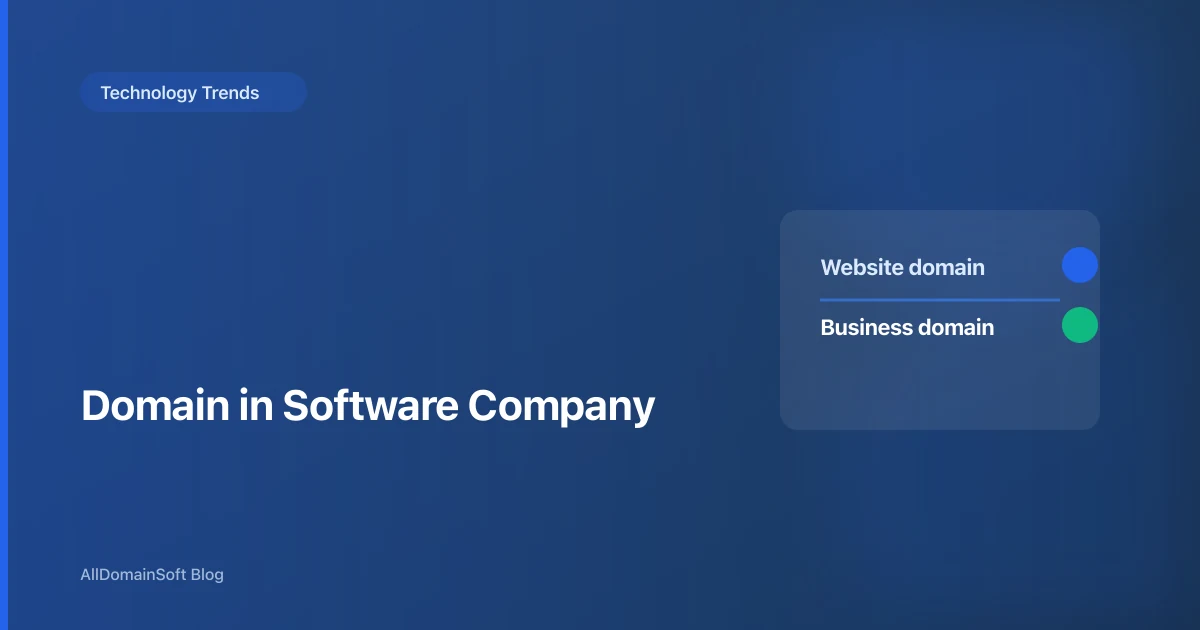
What Does Domain Mean in a Software Company?
Domain in a software company explained: business domain vs website domain, domain expertise, domain-driven design, and why AllDomainSoft uses the word domain.
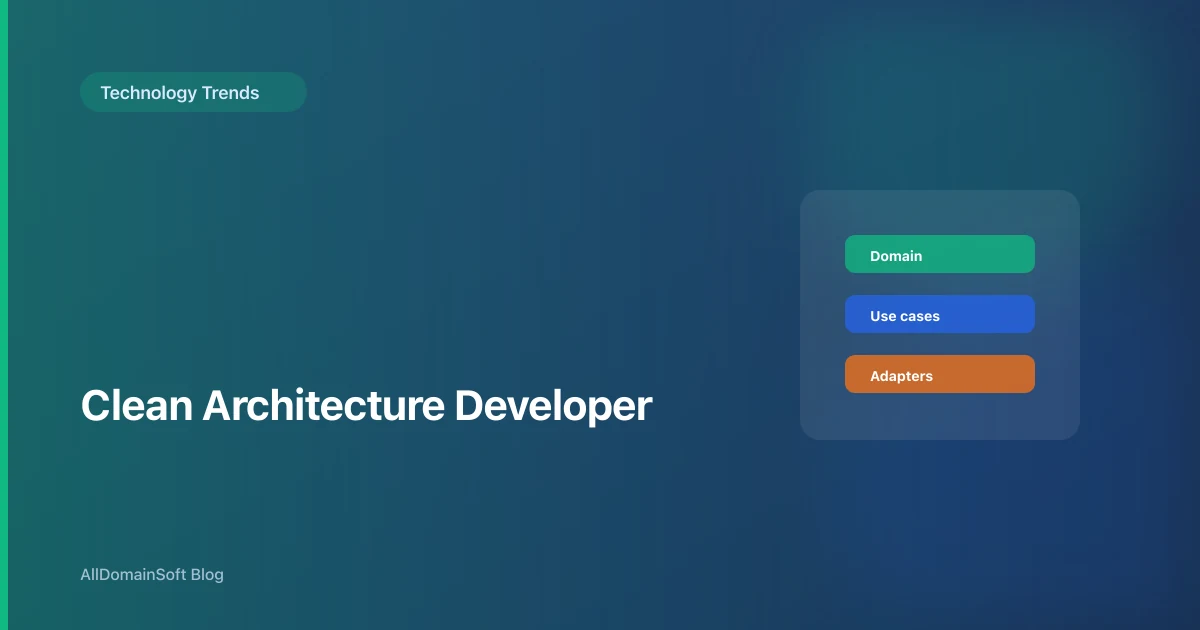
Hire Dedicated Clean Architecture Developers: What to Look For
Hire dedicated Clean Architecture developers for Android, .NET, Node.js, and backend systems. Skills to test, interview questions, cost, and when Clean Architecture is worth it.
Software Company in Spaze iTech Park Gurgaon: AllDomainSoft
Looking for software companies in Spaze iTech Park Gurgaon? AllDomainSoft runs office-based dedicated developer teams from Tower B2, serving UK, US, UAE, Australia, and India.
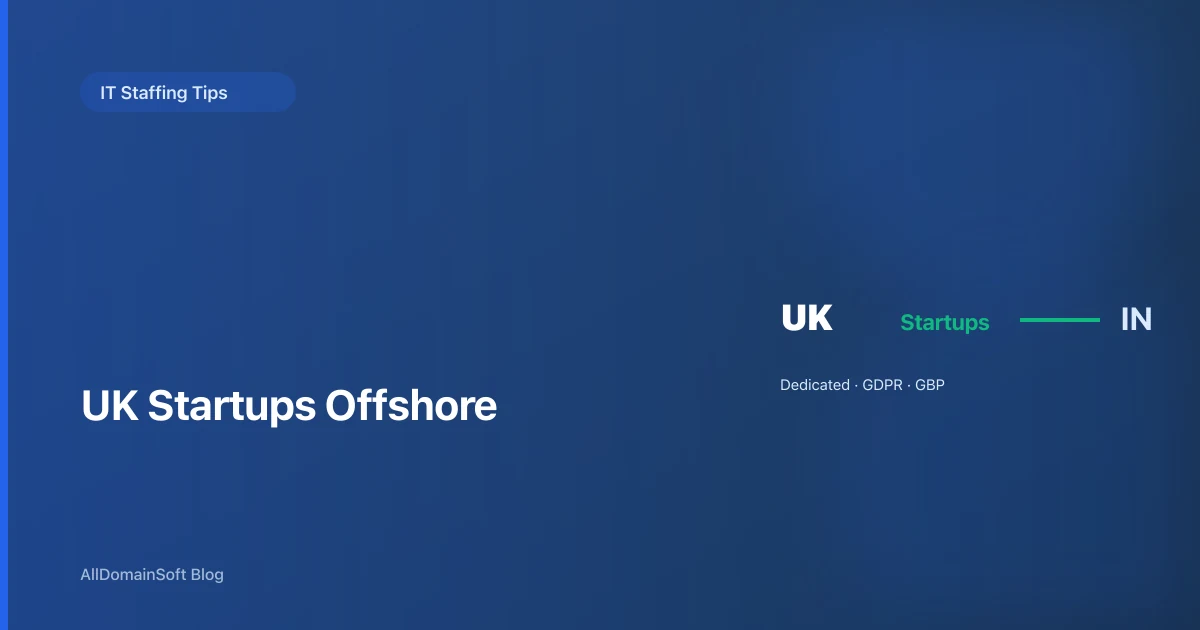
Offshore Developers for UK Startups: Cost, GDPR, Team Setup
Offshore developers for UK startups: when it works, what it costs vs London, GDPR and IR35 basics, and why 2-5 dedicated engineers usually beat agencies.
Offshore Developers for UK Small Firms: Practical Hiring Guide
Offshore developers for UK small firms: when a 1-3 person dedicated team beats freelancers, agencies, and local hiring for owner-led UK businesses.
Offshore Developers for UK Medium Companies: Scaling Guide
Offshore developers for UK medium companies: how to build a 4-10 person dedicated team with delivery structure, QA, DevOps, GDPR, and UK overlap.
Offshore Developers for UK Enterprises: Governance, Security, Scale
Offshore developers for UK enterprises: governance, GDPR, vendor risk, security, squad structure, and when dedicated offshore teams beat traditional outsourcing.
Offshore Developers Australia: Dedicated Development Team Guide
Offshore developers Australia guide: dedicated development team Australia buyers need, Sydney/Melbourne cost savings, AEST overlap, Privacy Act 1988, and office-based teams in Gurgaon.
Offshore Hiring India for UK Companies: GDPR, IR35, Costs
Offshore hiring India for UK companies explained: B2B contracting, SCCs, IR35 distinction, GBP billing, and how dedicated teams in Gurgaon differ from outsourcing.
Hire Android Architecture Components Developers in India
Hire Android Architecture Components developers (ViewModel, Room, Navigation, LiveData/Flow) from our Gurgaon office. Office-based Kotlin teams for UK, US, and Australian clients.
Hire Hilt Developers: Dedicated Android DI Engineers in India
Hire Hilt developers with Dagger, ViewModel injection, multibinding, and testing patterns. Dedicated Kotlin Android engineers in our Gurgaon office.
Why Austrian Companies Should Hire Indian Developers Now (And Why Advantage Austria Matters)
Austria's Mittelstand needs engineering capacity without Vienna price tags. Advantage Austria's India push, DACH talent shortages, and Gurgaon delivery make this the right window to build an offshore team.
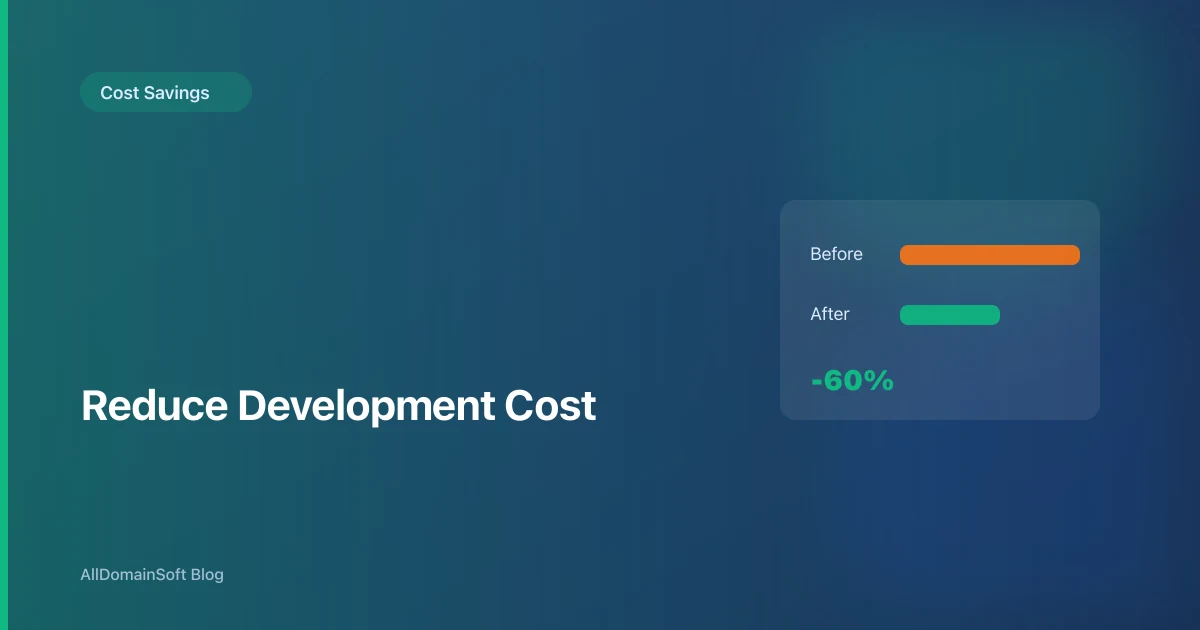
How to Reduce Software Development Cost Without Shipping Garbage
Eight levers that actually cut development cost: team model, location, scope discipline, tech debt, and when offshore dedicated teams beat local hires.
Offshore Developers for UK Companies: What Actually Works in 2026
A practical guide to offshore developers for UK startups and scale-ups: cost, GDPR, IR35, time zones, and how dedicated teams differ from agencies.
Offshore Developers for USA: A Founder's Guide to Dedicated Teams
How US companies use offshore developers without IP nightmares or timezone chaos: dedicated teams in India, W-8BEN-E, overlap hours, and what to avoid.

Hire Affordable Dedicated Developers Worldwide (Without a Marketplace)
Affordable dedicated developers worldwide does not mean cheapest hourly rate. It means fully loaded cost, retention, and an office. How we deliver from India for global clients.
Hire Dedicated Developers in Haryana: Gurugram Office Teams Explained
Why hire dedicated developers in Haryana instead of only India or Gurgaon generically: Delhi NCR talent, costs vs Bangalore, and our SpazeiTech Park office.
The Complete Guide to Building an Offshore Development Team in 2026
Everything you need to know about building, managing, and scaling an offshore development team — from choosing a location to ensuring quality and retention.
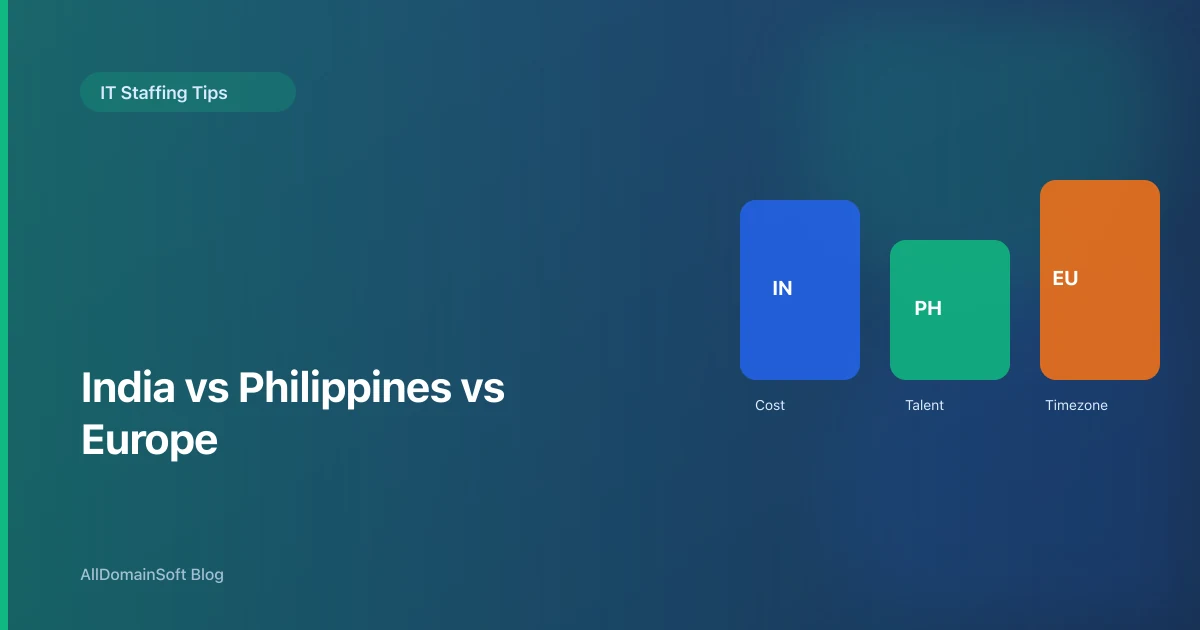
India vs Philippines vs Eastern Europe: Where to Hire Your Remote Tech Team
A detailed comparison of the top offshore hiring destinations for technology roles, covering cost, talent quality, timezone compatibility, and communication.
How to Manage Remote Developers Across Time Zones: A Practical Framework
Proven strategies and tools for managing distributed development teams effectively, from daily standups to async workflows.
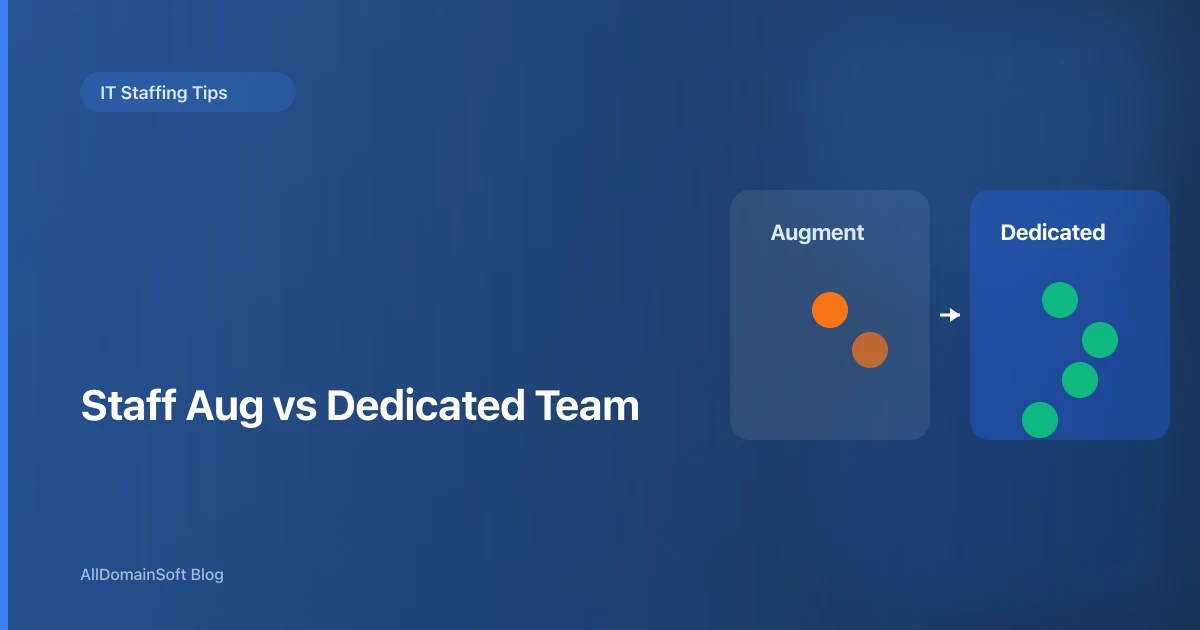
Staff Augmentation vs Dedicated Teams: Which Model is Right for Your Business?
Understand the key differences between staff augmentation and dedicated team models to choose the right engagement type for your project.
Why Gurgaon is Emerging as India's IT Staffing Capital
Explore why Gurgaon (Gurugram) is becoming the preferred destination for IT offsite teams, beating Bangalore on cost and matching it on talent quality.
React vs Angular in 2026: Which Framework Should Your Team Use?
An unbiased comparison of React and Angular for modern web development, covering performance, developer experience, ecosystem, and hiring availability.
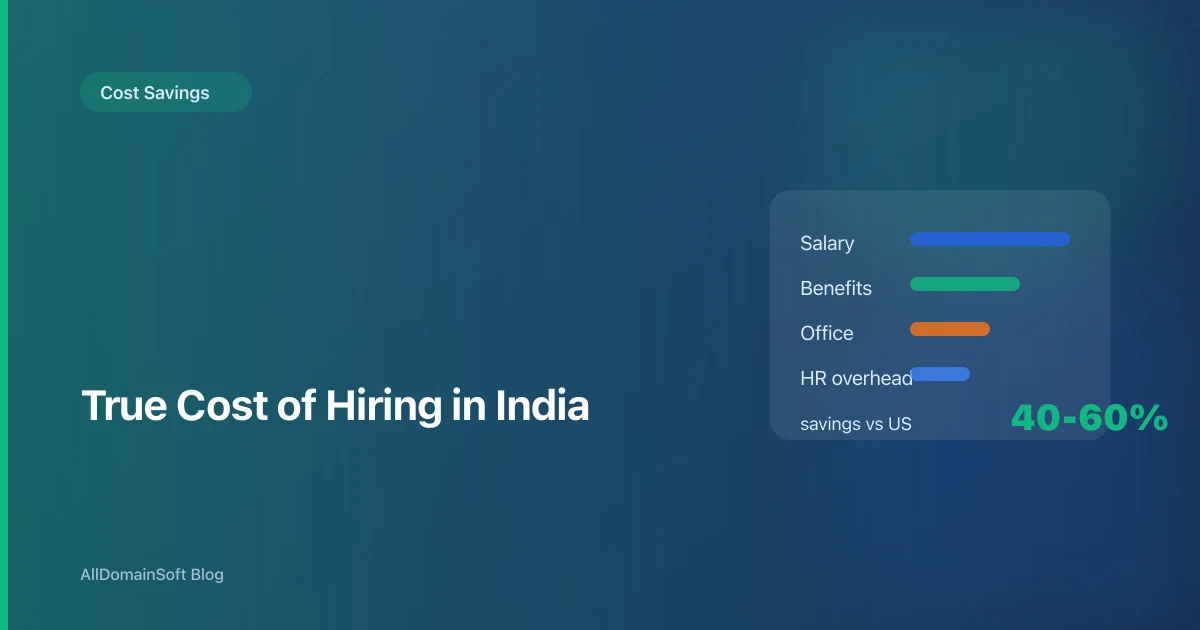
How to Calculate the True Cost of Hiring a Developer in India
A breakdown of all costs involved in hiring an Indian developer — salary, benefits, office, equipment, management overhead, and hidden costs most companies miss.
5 Signs Your Company Needs a Dedicated Offsite Development Team
Not sure if offsite staffing is right for you? Here are five clear indicators that your business would benefit from a dedicated offshore team.
How to Protect Intellectual Property with Offshore Developers
How do I protect intellectual property with offshore developers? Legal, technical, and operational controls — NDAs, IP assignment, access, and office security in Gurgaon.
The Rise of AI in IT Staffing: How Technology is Changing Talent Acquisition
How artificial intelligence is transforming the way IT staffing companies source, screen, and match technical talent to client requirements.
Subscribe to Our Newsletter
Get weekly insights on IT staffing and remote team management.